
LDL Cholesterol
- What is LDL cholesterol?
- Why is LDL cholesterol measured?
- How is an LDL cholesterol test performed?
- Reference Values for LDL Cholesterol
- Interpreting the Results: High LDL, Low LDL
- Factors That May Affect LDL Test Results
- LDL Cholesterol in Relation to Other Tests
- Frequently Asked Questions About LDL Cholesterol
- The Benefits of Tests Performed at the Elytis Laboratory
LDL (low-density lipoprotein) cholesterol, commonly known as “bad cholesterol,” is one of the most important components of the lipid profile. Its level is closely linked to the risk of cardiovascular disease, because LDL transports cholesterol to tissues and can build up on artery walls, contributing to the formation of atherosclerotic plaques.
When LDL levels rise above normal limits, the process of atherosclerosis accelerates, eventually leading to the narrowing or blockage of blood vessels. This increases the risk of heart attack, stroke, peripheral artery disease, and other serious complications.
Monitoring LDL cholesterol is essential in both primary prevention (people without cardiovascular disease) and secondary prevention (people with diagnosed heart disease), as it is one of the main indicators used by doctors to assess cardiovascular risk.
The LDL test is simple, quick, and provides critical information about cardiovascular health, making it possible to develop a personalized treatment or prevention plan.
What is LDL cholesterol?
LDL (Low-Density Lipoprotein) cholesterol is a low-density lipoprotein primarily responsible for transporting cholesterol from the liver to cells and tissues. This process is necessary for the body to function normally—cholesterol is a component of cell membranes and plays a role in the synthesis of steroid hormones and vitamin D.
The problem arises when LDL levels are too high. When present in excess, the cholesterol carried by LDL is no longer used efficiently by cells and begins to build up on the walls of the arteries. These deposits form atherosclerotic plaques, which can:
- gradually narrows the blood vessels (atherosclerosis);
- stiffen the arterial walls;
- reduces blood flow to the heart, brain, and other organs;
- increases the likelihood of blood clots, raising the risk of heart attack and stroke.
For this reason, LDL is often referred to as “bad cholesterol,” as opposed to HDL—“good cholesterol”—which helps remove excess cholesterol.
LDL is a significant component of total cholesterol. Generally, the higher the LDL level, the greater the cardiovascular risk, and controlling it is a priority in assessing cardiovascular health.
Why is LDL cholesterol measured?
Measuring LDL cholesterol is essential for assessing cardiovascular risk, as its level is directly linked to the development of heart disease and vascular conditions. The test allows the doctor to identify lipid imbalances early on and recommend preventive measures or personalized treatment.
Assessment of the Risk of Cardiovascular Disease
LDL cholesterol levels are one of the most important risk factors for:
- coronary artery disease;
- myocardial infarction;
- stroke;
- peripheral artery disease.
Even in the absence of symptoms, elevated LDL levels may indicate a significant cardiovascular risk.
Monitoring Patients with Cardiovascular or Metabolic Diseases
The test is required for people who:
- with a diagnosed heart condition;
- with a history of heart attack or stroke;
- with diabetes (where LDL targets are stricter);
- with high blood pressure;
- with obesity or metabolic syndrome.
In these situations, maintaining optimal LDL levels is essential for preventing complications.
Assessing the Effectiveness of Cholesterol-Lowering Treatment
This test is useful for:
- monitoring the response to statins and other lipid-lowering medications;
- assessing the impact of changes in diet and lifestyle;
- adjusting treatment based on current values.
Routine Screening of Healthy Individuals
Even in the absence of obvious risk factors, measuring LDL is part of routine medical checkups because:
- Atherosclerosis develops silently over many years;
- Elevated levels may occur without symptoms;
- Early intervention drastically reduces the risk of major cardiac events.
Genetic Risk Assessment (Familial Hypercholesterolemia)
A very high LDL level may indicate a genetic form of high cholesterol, which requires:
- rapid diagnosis,
- aggressive treatment,
- long-term monitoring.
How is an LDL cholesterol test performed?
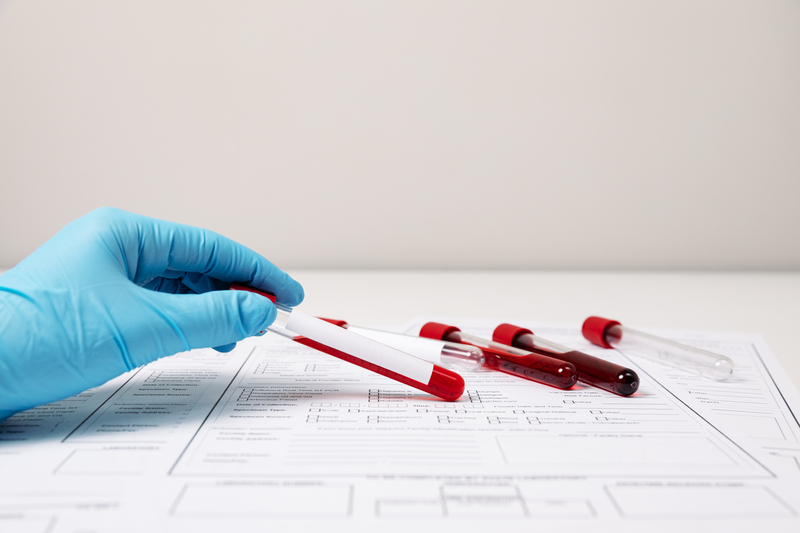
An LDL cholesterol test is a simple, quick, and painless blood test, usually performed as part of a lipid profile (total cholesterol, LDL, HDL, triglycerides). The procedure is standardized and provides essential information about cardiovascular health.
Preparing for Harvest
Although some laboratories can measure LDL without fasting, in most cases it is recommended that:
- 9–12-hour fast: Especially if the test also includes triglycerides, as these can affect the LDL calculation. Water is allowed.
- Avoid drinking alcohol 24–48 hours beforehand: Alcohol can affect lipid levels, particularly triglycerides.
- Maintain your usual diet in the days leading up to the test. Sudden changes can artificially alter the results.
- Avoid intense physical activity 24 hours beforehand. Intense exercise can temporarily lower LDL.
- Tell your doctor about any medications you are taking. Certain treatments can affect cholesterol levels: statins, hormonal contraceptives, corticosteroids, and thiazide diuretics.
Sampling Procedure
- Verification of identity and pre-procedure instructions. Medical staff confirm the rest period and medication.
- Blood draw: Blood is drawn from a vein, usually from the crook of the elbow. The procedure takes 1–2 minutes and causes only minimal discomfort.
- Analiza probelor în laborator: Determinarea LDL se poate face prin măsurare directă, prin metode enzimatico-colorimetrice (cea mai precisă), sau prin calcul indirect, prin formula Friedewald (LDL = Colesterol total – HDL – Trigliceride/5), folosită dacă trigliceridele sunt < 400 mg/dl.
Obtaining and Interpreting Results
Results are usually available the same day and are interpreted based on:
- age,
- sex,
- the presence of risk factors,
- medical history,
- the treatment targets recommended by the guidelines.
The doctor will decide whether the test results call for lifestyle changes, monitoring, or medication.
Reference Values for LDL Cholesterol
Reference values for LDL cholesterol vary depending on age, sex, comorbidities, and each patient’s cardiovascular risk. European and American guidelines set different target values based on an individual’s risk of cardiovascular disease, but the following categories generally apply:
General Interpretation Ranges
| LDL Level (mg/dl) | Interpretation |
| < 70 mg/dl | Ideal for patients at very high risk (diabetes, cardiovascular disease, confirmed atherosclerosis). |
| 70–99 mg/dl | Ideal for healthy adults and patients at moderate risk. |
| 100–129 mg/dl | Close to the optimal range; may require monitoring. |
| 130–159 mg/dl | Mild; requires assessment and lifestyle adjustments. |
| 160–189 mg/dl | Moderately elevated; increases the risk of cardiovascular disease. |
| ≥ 190 mg/dl | Very high; indicates a major risk, possibly familial hypercholesterolemia. |
Values may vary slightly depending on the laboratory.
LDL Targets Based on Cardiovascular Risk
Current guidelines recommend setting personalized targets, rather than simply interpreting isolated values.
• Risc foarte înalt: pacienți cu boală cardiovasculară, diabet cu afectare de organ, boală renală cronică avansată. Țintă: < 55 mg/dl
• Risc înalt: hipercolesterolemie severă, diabet fără complicații, risc SCORE ≥ 5%. Țintă: < 70 mg/dl
• Risc moderat: Țintă: < 100 mg/dl
• Risc scăzut: Țintă: < 116 mg/dl
International units (mmol/L)
For patients who follow international guidelines:
- 1 mmol/L = 38.67 mg/dl
- Quick conversion: mg/dl ÷ 38.67 = mmol/L
Example: LDL 130 mg/dl ≈ 3.36 mmol/L
What does “optimal LDL cholesterol” mean?
An optimal LDL level depends on the level of risk.
- Pentru o persoană tânără și sănătoasă: < 100 mg/dl este ideal.
- For someone with a history of heart attack or stroke: LDL should be lowered below 55 mg/dl, and sometimes even lower.
Interpreting the Results: High LDL, Low LDL
Interpreting LDL cholesterol levels is essential for understanding cardiovascular risk. These levels can guide decisions regarding diet, lifestyle, and, in some cases, the need for medication.
Elevated LDL (LDL hypercholesterolemia)
High LDL levels mean that an excessive amount of cholesterol is circulating in the blood and can build up on the walls of the arteries, promoting the formation of atherosclerotic plaques. The higher the LDL level, the greater the risk of cardiovascular complications.
Common causes of high LDL:
- A diet high in saturated fats (processed meats, full-fat dairy products, butter, fried foods).
- Excess refined carbohydrates and sugar, which raise triglyceride levels and, indirectly, LDL.
- A sedentary lifestyle.
- Overweight and Obesity.
- Smoking, which lowers HDL and increases the effects of LDL on blood vessels.
- Excessive alcohol consumption.
- Metabolic disorders: diabetes mellitus, hypothyroidism, nephrotic syndrome.
- Genetic predisposition (familial hypercholesterolemia).
- Medications: corticosteroids, retinoids, certain diuretics, oral estrogens.
Risks associated with high LDL:
- accelerated atherosclerosis;
- angina pectoris;
- myocardial infarction;
- stroke;
- peripheral artery disease;
- ischemic kidney disease.
Recommendations for high LDL:
- dietary changes (increasing fiber intake, reducing saturated and trans fats);
- regular physical activity (150 min/week);
- quitting smoking;
- weight loss (if applicable);
- supplements containing phytosterols or soluble fiber (as recommended by a doctor);
- medication, based on risk.
Low LDL
A low LDL level is generally considered beneficial, especially for patients at very high cardiovascular risk. However, extremely low levels may have specific causes.
Possible causes of low LDL:
- intensive treatment with statins or other lipid-lowering medications;
- malnutrition or a diet very low in fat;
- hyperthyroidism;
- advanced liver disease;
- certain rare genetic disorders.
Majoritatea ghidurilor internaționale consideră că LDL < 40 mg/dl este sigur, mai ales la pacienți cu boli cardiovasculare. Studiile nu au demonstrat riscuri semnificative ale unui colesterol LDL scăzut, dar pot apărea rareori:
- general fatigue;
- impaired absorption of fat-soluble vitamins (A, D, E, K), in extreme cases;
- slightly altered hormone levels.
These situations are unusual and usually occur in patients undergoing intensive, medically monitored treatments.
Factors That May Affect LDL Test Results
Measuring LDL cholesterol is a relatively stable test, but there are numerous factors that can affect the levels, leading to temporarily elevated or decreased results. Understanding these factors helps ensure accurate interpretation and avoid erroneous conclusions.
Recent Diet
Even though the direct LDL test does not necessarily require fasting, the complete lipid profile may be influenced by:
- high-fat meals 24–48 hours beforehand;
- increased consumption of refined carbohydrates and sugar;
- Alcohol consumption (increases triglycerides and, indirectly, the calculated LDL level).
Tip: Observing the recommended fasting period (9–12 hours) yields more consistent results.
Physical Activity
- Intense physical activity 24 hours beforehand may temporarily lower LDL;
- Chronic physical inactivity raises LDL levels.
Body weight
- Being overweight and obesity lead to increased LDL levels;
- Losing just 5–10% of your body weight can significantly lower LDL.
Age and Gender
- LDL tends to increase with age;
- After menopause, women may have levels similar to or even higher than those of men.
Smoking
Smoking:
- lowers HDL (“good cholesterol”);
- makes LDL more prone to oxidation and more dangerous to blood vessels;
- It may indirectly increase LDL.
Medical Conditions That Can Affect LDL Levels
- diabetes mellitus;
- hypothyroidism;
- nephrotic syndrome;
- kidney failure;
- liver diseases;
- chronic inflammatory diseases;
- metabolic syndrome.
Medications that affect LDL levels
They can raise LDL:
- corticosteroids;
- thyroid hormones in inappropriate doses;
- oral contraceptives;
- thiazide diuretics;
- retinoids;
- certain antiepileptic drugs.
The following can lower LDL:
- statins;
- ezetimibe;
- PCSK9 inhibitors;
- fiber;
- omega-3 fatty acid supplements.
Pregnancy
Total cholesterol and LDL levels naturally rise as part of metabolic adaptations.
Routine blood tests can be postponed until after childbirth, if the doctor deems it appropriate.
Stress and Lack of Sleep
These can affect the hormones involved in lipid metabolism, leading to higher LDL levels.
LDL Cholesterol in Relation to Other Tests
LDL cholesterol levels should never be interpreted in isolation. To fully assess cardiovascular risk, the doctor evaluates LDL levels along with other components of the lipid profile, as well as metabolic tests and associated clinical factors.
LDL Cholesterol and Total Cholesterol
LDL accounts for the largest portion of total cholesterol. Elevated total cholesterol is, in most cases, the result of an increase in LDL. However, total cholesterol does not provide enough information to assess cardiovascular risk—which is why measuring LDL is essential.
LDL and HDL cholesterol (“good cholesterol”)
HDL plays a protective role: it transports cholesterol from the arteries to the liver for elimination.
The correlation between LDL and HDL is crucial:
- High LDL + low HDL = very high cardiovascular risk;
- Normal LDL + elevated HDL = low risk.
Raportul LDL/HDL este uneori folosit în evaluarea riscului cardiovascular. Un raport optim este < 3.
LDL and Triglycerides
Triglycerides are another type of fat found in the blood. The relationship between them is important:
- Elevated triglycerides → may lead to an increase in small, dense LDL particles (which are more atherogenic).
- Triglycerides affect the Friedewald formula, which is used to calculate LDL. If triglyceride levels are > 400 mg/dl, LDL cannot be calculated and must be measured directly.
The patient with the highest cardiovascular risk has:
- High LDL,
- elevated triglycerides,
- Low HDL
LDL and Blood Glucose / Glycated Hemoglobin (HbA1c)
Patients with diabetes have a significantly increased cardiovascular risk, even when their LDL levels are not very high; therefore, it is essential for them to monitor their lipid profile in conjunction with their blood glucose and glycated hemoglobin levels.
For people with diabetes, the LDL target is much stricter:
- < 70 mg/dl sau chiar < 55 mg/dl.
Hyperglycemia promotes the oxidation of LDL and its deposition in the arteries, accelerating atherosclerosis.
LDL and markers of inflammation
Chronic inflammation exacerbates the harmful effects of LDL.
The associated markers are:
- hs-CRP (high-sensitivity C-reactive protein) – elevated levels indicate vascular inflammation.
- Fibrinogen, which may increase the risk of blood clots.
Normal LDL + elevated hs-CRP = underestimated risk if only the lipid profile is analyzed.
LDL and Liver Function
The liver synthesizes and metabolizes cholesterol. Liver function tests (ALT, AST, GGT) are especially important when:
- LDL levels are very high;
- statin therapy is initiated;
- The patient drinks excessively.
LDL and Overall Cardiovascular Risk
The doctor correlates LDL levels with:
- age, sex,
- blood pressure,
- family history,
- smoking,
- obesity,
- level of physical activity.
Assessment tools (SCORE2, ASCVD Risk) provide an accurate estimate of the risk of cardiovascular events over the next 10 years.
Frequently Asked Questions About LDL Cholesterol
What are the symptoms of high LDL cholesterol?
High LDL cholesterol does not cause any symptoms.
Atherosclerosis progresses “silently,” and the first signs do not appear until the blood vessels have already narrowed significantly, which can lead to:
- chest pain (angina);
- difficulty breathing;
- numbness or weakness in the limbs;
- episodes of dizziness or loss of balance.
That is why regular monitoring is essential.
Can I eat before the LDL test?
For direct LDL measurement, fasting is not required. However, for a complete lipid profile (including triglycerides), a 9–12-hour fast is recommended.
Can high LDL be hereditary?
Yes. Familial hypercholesterolemia is a genetic condition in which LDL levels are very high (often > 190 mg/dl) even from childhood. These patients are at high cardiovascular risk and require early treatment.
What LDL level is dangerous?
The risk becomes significant when LDL exceeds 130–160 mg/dl.
LDL ≥ 190 mg/dl is considered very high and requires prompt evaluation and treatment.
Can I lower my LDL just through diet and exercise?
Yes, in many cases. Lifestyle changes can lower LDL by 10–30%, and sometimes even more. However, patients at high cardiovascular risk or with very high levels also need medication.
What foods lower LDL cholesterol?
Foods you should include in your diet include:
- fiber-rich fruits and vegetables;
- oats, barley, bran;
- flax and chia seeds;
- fatty fish (salmon, mackerel, sardines);
- extra virgin olive oil;
- walnuts, almonds;
- foods containing phytosterols (special yogurts/margarines).
What foods should I avoid if I have high LDL?
If you want to keep your LDL levels under control, avoid:
- processed meat, cold cuts;
- fatty red meat;
- pastries, fast food;
- whole-milk dairy products;
- butter, heavy cream;
- fried foods;
- products containing trans fats (cheap margarine, packaged foods).
Are statins safe?
Yes. Statins are among the most extensively studied medications in the world and significantly reduce the risk of:
- heart attack;
- stroke;
- cardiovascular death.
Side effects are rare and usually mild.
Will my LDL go down if I quit smoking?
Yes, quitting smoking:
- increases HDL (“good cholesterol”);
- reduces LDL oxidation;
- improves blood vessel health.
How often should I have my LDL cholesterol checked?
- Healthy individuals: once every 1–3 years.
- People with risk factors: annually.
- Patients on statin therapy / at high cardiovascular risk: every 3–6 months or as recommended by your doctor.
Can I have normal LDL levels but still be at high risk for cardiovascular disease?
Yes. The risk increases if:
- HDL is low;
- triglyceride levels are elevated;
- there is diabetes, high blood pressure, and obesity;
- the hs-CRP level is high;
- There is a genetic predisposition.
Is low LDL dangerous?
De obicei nu. LDL < 40 mg/dl este considerat sigur, mai ales la pacienții tratați pentru prevenirea bolilor cardiovasculare. Problemele apar doar în situații foarte rare și extreme.
The Benefits of Tests Performed at the Elytis Laboratory
Elytis Laboratory offers a comprehensive, safe, and state-of-the-art process for measuring LDL cholesterol and the complete lipid profile. Access to advanced technology and specialized staff ensures accurate results and a patient-centered medical experience.
State-of-the-art laboratory technology
Lipid analyses are performed using high-performance automated equipment and internationally standardized methods, which offer the following advantages:
- high accuracy of direct LDL measurements;
- short processing time;
- optimal reproducibility of results.
Quick results, available online
Patients can access their results:
- on the same day, for most tests;
- in your personal online account, securely and with complete confidentiality.
This enables effective communication with the doctor and a prompt treatment plan.
Experienced medical staff
The Elytis team includes:
- experienced biologists, biochemists, and medical specialists;
- Medical assistants trained to perform quick and comfortable specimen collection.
The patient receives clear guidance on how to prepare for the test and how to interpret the results.
Excellent harvesting conditions
The laboratory offers:
- modern and sanitized facilities;
- fast-moving, uncrowded;
- painless harvesting, suitable for sensitive individuals (children, the elderly).
The option to undergo a comprehensive cardiometabolic assessment
The following services are available at the same location:
- LDL, HDL, total cholesterol, triglycerides;
- blood glucose and glycated hemoglobin;
- liver enzymes;
- hormone tests (thyroid);
- cardiovascular risk assessments.
This gives the patient a comprehensive picture of their cardiometabolic health.
Effective Monitoring for Patients on Lipid-Lowering Therapy
The laboratory provides:
- accurate periodic testing;
- clear interpretations and reports tailored to the treatment;
- support for attending physicians in monitoring patients.
Flexibility and Quick Scheduling
Appointments can be made:
- by phone;
- online;
- directly at the front desk.
Waiting times are short, and the lab's schedule is tailored to patients' needs.
Measuring LDL cholesterol is essential for assessing cardiovascular risk and preventing complications associated with atherosclerosis. Keeping LDL levels within normal ranges, along with a healthy lifestyle and regular monitoring, helps protect the heart and blood vessels in the long term.
Schedule your LDL cholesterol test now and find out your actual lipid profile values for comprehensive monitoring of your health.
Last revised: November 19, 2025
References:
- “LDL Blood Test: What It Measures and What the Results Mean.” Www.medicalnewstoday.com, June 28, 2021, www.medicalnewstoday.com/articles/ldl-blood-test.
- MedlinePlus. “LDL: The ‘Bad’ Cholesterol.” Medlineplus.gov, National Library of Medicine, March 13, 2023, medlineplus.gov/ldlthebadcholesterol.html.