
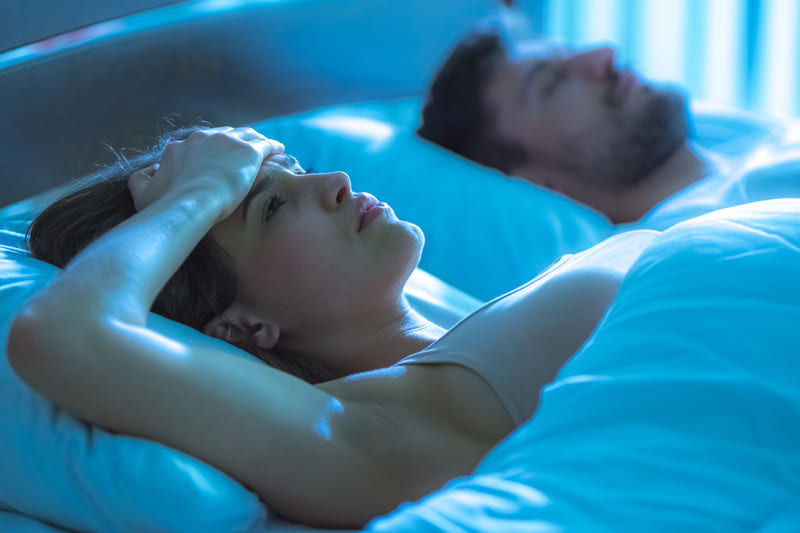
Night sweats: common causes and when they may be a warning sign
It’s normal for the body to release heat through sweating in certain situations, such as high temperatures, physical exertion, or eating spicy foods. However, if you repeatedly wake up with wet pajamas or bedding, even though your bedroom isn’t hot, night sweats may raise some concerns.
In most cases, the cause is not serious. Night sweats can occur during periods of intense stress, during menopause, or as a side effect of certain medications. However, if they are profuse, persist for several weeks, or are accompanied by other symptoms—such as fever, unexplained weight loss, or swollen lymph nodes—it is important to have them evaluated by a doctor.
Because night sweats can have a wide variety of causes—ranging from hormonal changes and infections to endocrine, hematological, or oncological conditions—identifying the underlying cause is essential for determining the appropriate treatment.
In this article, we explain why night sweats occur, when they are considered normal, what medical conditions can cause them, and in what situations it is recommended to see a doctor.
What are night sweats?
Night sweats are episodes of profuse sweating that occur during sleep and are intense enough to dampen pajamas, bedding, or even the mattress, even when the room temperature is not excessively high.
It is important to distinguish between:
- sweating caused by an environment that is too hot, a thick comforter, or clothing that is unsuitable for sleeping;
- night sweats themselves, which occur even when sleeping conditions are comfortable.
These episodes may be occasional and of no medical significance, or they may become recurrent, in which case it is necessary to identify the cause.
What are the most common causes of night sweats?
Night sweats are not a disease in themselves, but rather a symptom that can have many causes. Some are benign and easy to treat, while others require medical evaluation.
High temperature in the bedroom
One of the simplest explanations is that the environment is too warm at night.
A high room temperature, using a very thick comforter, or wearing synthetic sleepwear can lead to excessive sweating.
In such situations, adjusting the temperature and choosing materials that allow the skin to breathe are often enough to make the symptoms go away.
Stress and Anxiety
Psychological stress and anxiety can activate the sympathetic nervous system, causing increased sweating both during the day and at night.
Those affected may also notice:
- heart palpitations;
- a feeling of restlessness;
- difficulty falling asleep;
- fragmented sleep.
If night sweats occur during a stressful period and are not accompanied by other symptoms, the cause is often functional. However, if they persist, a medical evaluation is recommended to rule out other conditions.
Alcohol Consumption and Spicy Foods
Alcohol and very spicy foods can stimulate the body's temperature-regulating mechanisms and promote sweating at night, especially if consumed shortly before bedtime.
Reducing consumption may be enough to relieve symptoms.
Side Effects of Certain Medications
Certain medications may cause night sweats as a side effect.
Among the most commonly involved are:
- certain antidepressants;
- medications used to reduce fever;
- certain hormone treatments;
- certain diabetes medications.
If you notice that sweating has started after you began treatment, do not stop taking the medication without your doctor’s advice. Talk to your doctor about your symptoms and possible treatment alternatives.
Night sweats in women
In women, one of the most common causes of night sweats is hormonal changes.
Perimenopause and Menopause
Hot flashes and night sweats are among the most characteristic symptoms of perimenopause and menopause.
A decrease in estrogen levels affects the mechanisms that regulate body temperature, which can cause sudden episodes of intense heat and profuse sweating, including at night.
These may also be accompanied by:
- sleep disorders;
- irritability;
- layout changes;
- heart palpitations.
Depending on the severity of the symptoms and the patient’s medical history, the doctor may recommend lifestyle changes, nonhormonal treatments, or, in carefully selected cases, hormone replacement therapy.
Night sweats in men
Although night sweats are often associated with menopause, they also occur in men and can have a wide variety of causes.
In many cases, occasional episodes are linked to factors such as stress, alcohol consumption, or certain medications. However, when sweating is profuse, persistent, or accompanied by other symptoms, it is important to identify the cause.
When can night sweats be a sign of a health problem?
In most cases, night sweats are not a sign of a serious condition. However, there are situations in which they may be one of the first signs of a disease that requires diagnosis and treatment.
Infections
Some infections can cause fever and profuse sweating, especially at night.
These include:
- tuberculosis;
- infectious endocarditis;
- chronic infections;
- HIV infection, at certain stages.
Night sweats are usually accompanied by other symptoms, such as fever, chills, a persistent cough, or a general feeling of being unwell.
Hyperthyroidism
The thyroid gland produces hormones that regulate the body's metabolism. When these hormones are secreted in excess (hyperthyroidism), the metabolism speeds up and increased sensitivity to heat may occur.
In addition to night sweats, there may be:
- heart palpitations;
- tremor;
- weight loss;
- nervousness;
- heat intolerance.
Diabetes and Nocturnal Hypoglycemia
In people with diabetes who are treated with insulin or certain medications, an excessive drop in blood sugar levels during the night can cause profuse sweating.
Other symptoms may include:
- nightmares;
- restlessness during sleep;
- I'm trembling;
- heart palpitations;
- an intense feeling of hunger upon waking.
If these episodes recur, it is important to reassess your treatment with your diabetes doctor.
Obstructive Sleep Apnea
People with obstructive sleep apnea may experience night sweats as a result of repeated episodes of interrupted breathing.
Some telltale signs are:
- loud snoring;
- breathing pauses observed by the partner;
- restless sleep;
- excessive daytime sleepiness;
- morning headache.
Lymphomas and Other Hematologic Diseases
Heavy night sweats are one of the symptoms that can occur in certain hematologic diseases, such as lymphomas.
As a rule, these are also associated with:
- enlarged lymph nodes;
- fever with no apparent cause;
- unexplained weight loss;
- severe fatigue.
It is important to note that most people who experience night sweats do not have lymphoma, but the presence of these symptoms together warrants a medical evaluation.
Other Types of Cancer
Less commonly, night sweats can also occur in other types of cancer, especially when accompanied by general symptoms such as weight loss, loss of appetite, fever, or severe fatigue.
These conditions are less common than benign causes, but they should not be ignored if symptoms persist.
Warning Signs: When Should You See a Doctor?
It is advisable to seek a medical evaluation if your night sweats:
- occur frequently over a period of several weeks;
- are heavy enough to dampen clothing or bedding;
- are accompanied by a fever;
- is associated with unexplained weight loss;
- occur along with enlarged lymph nodes;
- are accompanied by a persistent cough;
- occur along with palpitations, tremors, or other symptoms suggestive of an endocrine disorder;
- significantly affects sleep quality and daily activities.
The presence of these signs does not automatically indicate a serious illness, but it does warrant further investigation to identify the cause.
What tests might be recommended?
There is no single set of tests for all people with night sweats. Your doctor will recommend tests based on your symptoms, age, medical history, and physical examination.
Depending on the situation, the following may be recommended:
- complete blood count;
- C-reactive protein (CRP) and ESR;
- blood glucose and glycated hemoglobin (HbA1c);
- TSH and thyroid hormones;
- tests to detect infections when there is clinical suspicion;
- chest X-ray or other imaging tests.
In some cases, interdisciplinary consultations may be necessary—for example, in endocrinology, pulmonology, hematology, cardiology, or infectious diseases—depending on the results of the initial evaluation. Schedule a comprehensive consultation at Elytis Cardiology Hospital and have your heart health checked!
How are night sweats treated?
The treatment for night sweats depends entirely on their underlying cause. Because this symptom can have very different causes, there is no one-size-fits-all treatment.
Once a diagnosis has been made, the doctor may recommend:
- treating an infection, when it is the cause of the symptoms;
- adjusting your diabetes treatment if the sweating is caused by episodes of hypoglycemia;
- treatment of thyroid disorders;
- specific treatments for menopausal symptoms, when indicated;
- changing your medication if sweating is a side effect;
- treatment of a hematological or oncological condition, or any other disease identified as a result of diagnostic tests.
In addition to treating the underlying cause, a few simple steps can help reduce discomfort:
- maintaining a temperature of approximately 18–20°C in the bedroom;
- choosing underwear and pajamas made from natural fibers;
- Avoiding alcohol and very spicy meals before bedtime;
- reducing caffeine intake in the afternoon;
- maintaining a healthy body weight;
- adopting stress management techniques, such as breathing exercises, meditation, or regular physical activity.
These recommendations may help relieve symptoms, but they are not a substitute for a medical evaluation if night sweats persist.
At Elytis Hospital, patients receive a multidisciplinary evaluation and access to modern diagnostic tests, so that the cause of night sweats can be identified quickly and accurately. Depending on the results of the consultation, the medical team can recommend the necessary tests and refer you to the appropriate specialty, whether it’s endocrinology, internal medicine, pulmonology, hematology, cardiology, or gynecology. Make an appointment today!
Frequently Asked Questions About Night Sweats
Is it normal to sweat at night?
Occasionally, yes. High temperatures in the bedroom, using a blanket that is too thick, or consuming alcohol or spicy foods can cause sweating during sleep. If these episodes are frequent, profuse, or occur without an obvious explanation, a medical evaluation is recommended.
Can night sweats be a sign of cancer?
They can occur in certain types of cancer, but these are a much rarer cause than stress, menopause, infections, side effects of certain medications, or endocrine disorders. The risk is higher when sweating is associated with symptoms such as unexplained weight loss, persistent fever, or swollen lymph nodes.
Which doctor should I see?
The first step is to consult your family doctor or an internal medicine specialist, who can recommend initial tests and, if necessary, refer you to an endocrinologist, pulmonologist, hematologist, cardiologist, gynecologist, or other specialists.
What tests are recommended?
Depending on the symptoms and clinical suspicion, the doctor may recommend a complete blood count, ESR, CRP, blood glucose, glycated hemoglobin, TSH, tests to screen for infections, and imaging studies. Not everyone needs the same set of tests.
Do night sweats only occur during menopause?
No. Menopause is one of the most common causes in women, but night sweats can occur at any age and in both sexes, and are associated with numerous other medical conditions or environmental factors.
When should I see a doctor right away?
Seek medical attention as soon as possible if your night sweats are accompanied by a high fever, difficulty breathing, chest pain, confusion, rapid weight loss, or a significant change in your overall condition.
Last medical review: July 15, 2026
References:
- Mold, James W., Beth J. Holtzclaw, and Linda McCarthy. “Night Sweats: A Systematic Review of the Literature.” The Journal of the American Board of Family Medicine, vol. 25, no. 6, 2012, pp. 878–893. https://www.jabfm.org/content/25/6/878.
- Smetana, Gerald W. “Evaluation of the Patient with Night Sweats or Generalized Hyperhidrosis.” UpToDate, Wolters Kluwer, updated Aug. 29, 2024, https://www.uptodate.com/contents/evaluation-of-the-patient-with-night-sweats-or-generalized-hyperhidrosis.
- Das, Shinjita, and Joseph F. Merola. “Hyperhidrosis.” Merck Manual Professional Edition, Merck & Co., revised Mar. 2024, https://www.merckmanuals.com/professional/dermatologic-disorders/sweating-disorders/hyperhidrosis