
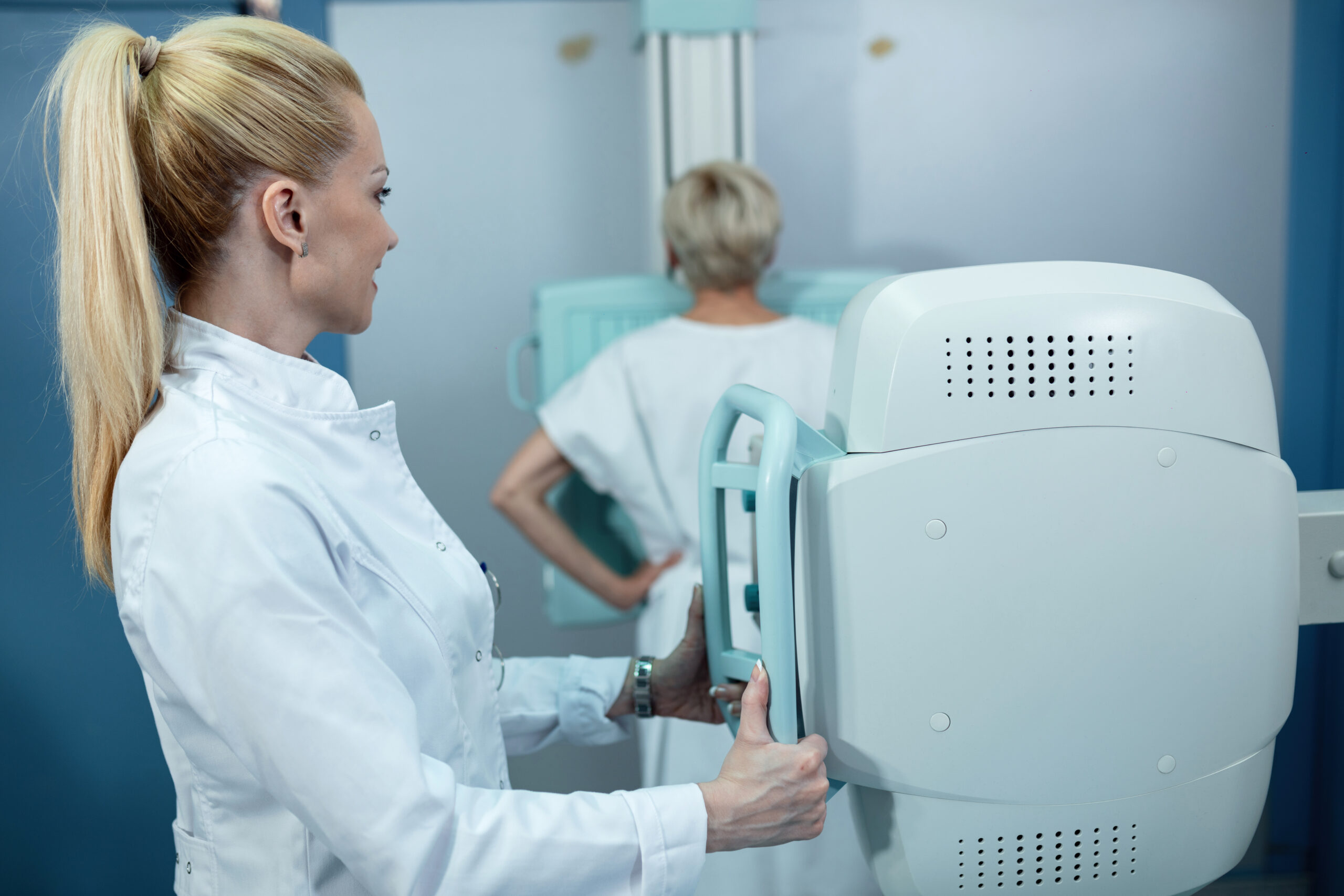
The importance of mammography in breast cancer prevention
Breast cancer is one of the most common forms of cancer in women. Early detection plays a crucial role in effective treatment and in increasing the chances of survival. Mammography is the primary screening method for the early detection of breast cancer, and having it done at regular intervals can save lives.
At Elytis, we understand the vital importance of mammography and are committed to providing high-quality screening services.
What is a mammogram, and how does it work?
A mammogram is an X-ray of the breast used to detect changes that may indicate the presence of breast cancer. The procedure involves compressing the breast between two plates to obtain clear images of the breast tissue. These images are then analyzed by a radiologist who specializes in interpreting mammograms.
A mammogram can detect tumors that are too small to be felt, as well as microcalcifications, which may be an early sign of breast cancer. At Elytis, we use state-of-the-art mammography equipment that provides high-resolution images and minimizes radiation exposure.
Why is a mammogram so important?
- Early detection: Mammography can detect breast cancer in its early stages, when it is easier to treat and the chances of a cure are higher.
- Increased chances of survival: Studies have shown that regular mammograms can significantly reduce the risk of death from breast cancer.
- Less invasive treatments: Early detection may allow for less invasive treatments, such as lumpectomy, instead of mastectomy.
- Peace of mind: Regular mammograms can provide peace of mind, knowing that your breast health is being monitored.
When should you get a mammogram?
Recommendations regarding when to begin mammograms vary depending on age and individual risk factors. In general, the following is recommended:
- Women aged 40 to 44: They have the option to begin annual screening.
- Women between the ages of 45 and 54: They should have annual mammograms.
- Women aged 55 and older: They can have mammograms every two years or continue with annual screening.
It is important to talk to your doctor about your risk factors and the best time to start having mammograms. At Elytis, our doctors are ready to provide personalized advice and help you make informed decisions about your breast health.
Risk Factors for Breast Cancer
Certain factors can increase the risk of developing breast cancer, including:
- Age: The risk increases with age.
- Family history: first-degree relatives diagnosed with breast cancer.
- Genetics: mutations in the BRCA1 or BRCA2 genes.
- Personal medical history: history of breast cancer or other breast conditions.
- High breast density.
If you have one or more of these risk factors, it’s important to talk to your doctor about whether you should start getting mammograms earlier or have them more frequently. At Elytis, we also perform breast ultrasounds to complement mammograms, especially for women with high breast density.
What happens during a mammogram?
A mammogram takes about 15–20 minutes. During the procedure:
- You will be asked to undress from the waist up.
- The technician will place each breast between two compression plates.
- The plates will compress the breast for a few seconds to obtain clear images.
- The procedure will be repeated for each breast.
You may feel some discomfort during the breast compression, but it is short-lived.
What happens after a mammogram?
The radiologist will review the mammogram images and send a report to your doctor. Depending on the results, your doctor may recommend:
- A follow-up mammogram, if additional images are needed.
- A breast ultrasound, to evaluate certain areas in greater detail.
- A biopsy, if a suspicious area is detected.
Mammography is an essential screening method for the early detection of breast cancer. Having it done at regular intervals can save lives. At Elytis, we are committed to providing high-quality mammography services, performed by an experienced medical team using state-of-the-art equipment.
Latest medical review:
March 20, 2025, Dr. Smaranda Ştefurac Grămadă – Specialist Physician
References:
- Autier, Philippe, Boniol, Mathieu. “Mammography Screening: A Major Issue in Medicine.” European Journal of Cancer, 2018, vol. 90, pp. 34–62.
- Ren, Wenhui, et al. “Global guidelines for breast cancer screening: A systematic review.” The Breast, 2022, vol. 64, pp. 85–99.
- Schünemann, Holger J. (Dr.), et al. “Breast Cancer Screening and Diagnosis: A Synopsis of the European Breast Guidelines.” Annals of Internal Medicine, 2019, vol. 172, no. 1.