Ortopedie – Traumatologie | Elytis Hospital Iași

Appointments at Elytis Hospital:

Sănătatea sistemului musculo-scheletal este esențială pentru mobilitate și calitatea vieții. La Ortopedie – Traumatologie în Elytis Hospital Iași beneficiezi de diagnostic rapid, investigații moderne și tratamente personalizate pentru afecțiuni ortopedice, indiferent de vârstă sau nivel de activitate.

Consultații și investigații de Ortopedie – Traumatologie complete la Elytis Hospital Iași

În cadrul departamentului de Ortopedie-Traumatologie Elytis Hospital Iași, pacienții au acces la consultații de specialitate, evaluări funcționale și investigații de înaltă precizie. Abordarea este orientată către diagnostic corect, tratament eficient și recuperare rapidă.

Ce este Ortopedia-Traumatologia?

Ortopedia-Traumatologia este specialitatea medicală care se ocupă cu diagnosticul și tratamentul afecțiunilor sistemului musculo-scheletal: oase, articulații, ligamente, tendoane și mușchi.

Aceasta include atât tratamente conservatoare, cât și intervenții chirurgicale, cu scopul de a restabili mobilitatea și funcționalitatea pacientului.

Rolul medicului ortoped

Medicul ortoped are rolul de a identifica cauza durerilor sau limitărilor de mișcare și de a recomanda tratamentul optim. Acesta stabilește indicația pentru tratament conservator sau chirurgical.

His responsibilities include:

  • evaluarea durerilor articulare și musculare,
  • diagnosticarea leziunilor traumatice sau degenerative,
  • recomandarea investigațiilor imagistice,
  • efectuarea procedurilor minim invazive,
  • monitorizarea recuperării pacientului.

Afecțiuni tratate de Ortopedie – Traumatologie la Elytis Hospital Iași

În cadrul Elytis Hospital Iași sunt diagnosticate și tratate o gamă variată de afecțiuni ortopedice:

Fracturi și traumatisme

Fracturile, entorsele și luxațiile sunt frecvente și necesită evaluare rapidă. Acestea pot apărea în urma accidentelor sau a activităților sportive. Tratamentul corect previne complicațiile și asigură o recuperare completă.

Artroză (uzura articulațiilor)

Artroza este o afecțiune degenerativă caracterizată prin degradarea cartilajului articular. Se manifestă prin durere și limitarea mobilității. Tratamentul poate fi conservator sau chirurgical, în funcție de severitate.

Leziuni de ligamente

Leziunile ligamentare apar frecvent la nivelul genunchiului sau gleznei. Acestea pot afecta stabilitatea articulației. Tratamentul include recuperare sau reconstrucție chirurgicală.

Leziuni de tendoane

Rupturile sau inflamațiile tendoanelor pot provoca durere și limitarea mișcărilor. Sunt frecvente la sportivi sau în activități repetitive. Tratamentul este adaptat fiecărui caz.

Afecțiuni ale meniscului

Leziunile de menisc sunt frecvente la nivelul genunchiului. Se manifestă prin durere, blocaj sau instabilitate. Artroscopia este o metodă eficientă de tratament.

Dureri de spate și afecțiuni ale coloanei

Afecțiunile coloanei vertebrale pot provoca dureri cronice și limitarea mobilității. Acestea pot avea cauze degenerative sau traumatice. Tratamentul include terapie conservatoare sau intervenții specifice.

Afecțiuni sportive

Leziunile sportive includ întinderi musculare, rupturi ligamentare sau tendinite. Acestea necesită tratament corect și recuperare adecvată. Scopul este revenirea rapidă la activitatea fizică.

Bursite și tendinite

Bursitele și tendinitele sunt afecțiuni inflamatorii care apar la nivelul articulațiilor și tendoanelor. Provoacă durere și limitarea mișcărilor. Tratamentul include medicație și fizioterapie.

Deformări ale membrelor

Deformările pot fi congenitale sau dobândite. Acestea afectează postura și mobilitatea. Corecția poate fi conservatoare sau chirurgicală.

Afecțiuni degenerative articulare

Acestea includ uzura progresivă a articulațiilor. Sunt frecvente odată cu înaintarea în vârstă. Necesită monitorizare și tratament personalizat.

Servicii oferite la Ortopedie – Traumatologie la Elytis Hospital Iași

  • Orthopedic consultations and evaluations: diagnosis, identification of risk factors and recommendation of additional tests (X-rays, MRI, etc.).
  • Minimally invasive surgery:
    • Arthroscopies
    • Joint protectors
    • Ligament reconstructions
    • Tendon repairs
    • All interventions are performed with precision and have a short recovery time.
  • Conservative treatment and rehabilitation:
    • Medication recommendations
    • Infiltrations (simple, Diprofos, etc.)
    • Orthotics
    • Rehabilitation therapies (physiotherapy, physiotherapy)
    • Exercise programs tailored to each patient.
  • Fracture management and post-traumatic recovery:
    • Fast and effective treatment for fractures, sprains, sprains.
    • Cast immobilization (lower/upper limb)
    • Dressings (aseptic/septic)
    • Removal of immobilization
    • Plaster repair
    • Joint fluid aspiration puncture
    • Thread Suppression
    • Wound dressing (with/without dressing, suture)
    • The aim of treatment is to restore functionality and reduce complications.

Tehnologii moderne și tratamente în Ortopedie-Traumatologie la Elytis Hospital Iași

În cadrul Elytis Hospital Iași sunt utilizate tehnici moderne pentru tratament eficient și recuperare rapidă:

Arthroscopy

Artroscopia este o procedură minim invazivă care permite diagnosticarea și tratarea afecțiunilor articulare. Se realizează prin incizii mici și oferă recuperare rapidă. Este frecvent utilizată pentru genunchi și umăr.

Joint protectors

Protezarea articulară este indicată în cazurile severe de artroză. Aceasta înlocuiește articulația afectată și redă mobilitatea pacientului. Rezultatele sunt foarte bune pe termen lung.

Infiltrații articulare

Infiltrațiile reduc inflamația și durerea la nivel articular. Pot conține substanțe antiinflamatoare sau alte soluții terapeutice. Sunt utilizate frecvent în tratamentul conservator.

Recuperare medicală personalizată

Programele de recuperare sunt adaptate fiecărui pacient. Acestea includ exerciții și terapii specifice. Ajută la revenirea rapidă la activitățile zilnice.

Investigații de Ortopedie-Traumatologie disponibile la Elytis Hospital Iași

Pentru un diagnostic corect, sunt utilizate multiple investigații:

Radiografie

Radiografia este utilizată pentru evaluarea oaselor și a articulațiilor. Ajută la identificarea fracturilor sau deformărilor. Este rapidă și accesibilă.

MRI

RMN-ul oferă imagini detaliate ale țesuturilor moi. Este util în diagnosticarea leziunilor ligamentare sau tendinoase. Nu utilizează radiații.

Ecografie musculo-scheletală

Ecografia permite evaluarea în timp real a structurilor musculare și articulare. Este neinvazivă și rapidă. Este utilă în ghidarea infiltrațiilor.

Când este recomandată consultația de Ortopedie-Traumatologie?

Este important să te adresezi medicului atunci când apar simptome persistente.

Simptome care pot indica o problemă ortopedică

  • dureri articulare sau musculare,
  • limitarea mișcărilor,
  • umflături sau inflamații,
  • instabilitate articulară,
  • dificultăți la mers.

Risk Factors

  • activitate fizică intensă,
  • traumatisme,
  • vârsta înaintată,
  • sedentarism,
  • obezitate.

Related Medical Specialties

Pentru o abordare completă, ortopedia colaborează cu:

Medicină fizică și reabilitare

Recuperarea medicală este esențială după intervenții sau traumatisme. Ajută la restabilirea mobilității și forței musculare. Este parte integrantă a tratamentului ortopedic.

Rheumatology

Reumatologia se ocupă cu afecțiunile inflamatorii ale articulațiilor. Colaborarea este importantă pentru diagnostic diferențial. Permite stabilirea tratamentului corect.

Neurology

Neurologia intervine în cazurile în care durerea are cauză nervoasă. Este importantă în afecțiunile coloanei vertebrale. Ajută la evaluarea completă a pacientului.

Radiology and Medical Imaging

Radiologia oferă suport esențial în diagnostic. Investigațiile imagistice sunt necesare pentru planificarea tratamentului. Permit monitorizarea evoluției.

Întrebări frecvente despre Ortopedie-Traumatologie


Când ar trebui să merg la medicul ortoped?


Este recomandat să te programezi pentru o consultație de Ortopedie-Traumatologie atunci când ai dureri persistente, limitări de mișcare sau după un traumatism. Evaluarea precoce ajută la prevenirea complicațiilor și la stabilirea tratamentului corect.


Se pot trata afecțiunile ortopedice fără operație?


Da, multe afecțiuni ortopedice pot fi gestionate prin tratament conservator, precum medicație, infiltrații sau fizioterapie. Intervenția chirurgicală este indicată doar atunci când metodele non-invazive nu dau rezultate.


Cât durează recuperarea după o intervenție ortopedică?


Durata recuperării depinde de tipul intervenției ortopedice și de starea generală a pacientului. În general, tehnicile moderne permit o recuperare mai rapidă și reluarea activităților într-un timp scurt.


Artroscopia este o procedură sigură?


Artroscopia este o intervenție minim invazivă, considerată sigură și eficientă. Aceasta implică incizii mici și permite o recuperare mai rapidă comparativ cu chirurgia clasică.


Pot reveni la activitățile sportive după tratamentul ortopedic?


Da, majoritatea pacienților pot reveni la activitățile sportive după o recuperare corectă. Este important să respecți recomandările medicului ortoped și programul de recuperare.

Medical Team

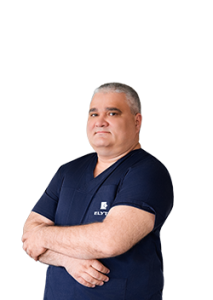
Dr. Dan Scorpie – Specialist Physician

Orthopaedics and Traumatology

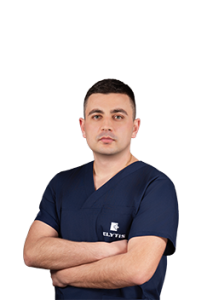
Dr. Dan Viorel Cionca - Primary Physician

Orthopaedics and Traumatology

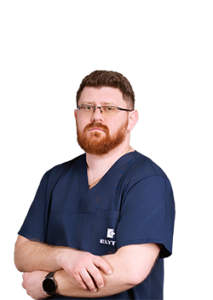
Dr. Vasile Moiseenco - Specialist

Orthopaedics and Traumatology

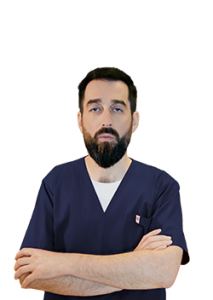
Dr. Victor Corcevoi - Medical Specialist

Orthopaedics and Traumatology

Dr. Paul Botez, Physician – Mayor

Orthopaedics and Traumatology

Services & Fees

See

Check

Plaster immobilization

upper member, lower member

Infiltrations

Dressing

aseptic, septic

Removal of immobilization

Plaster repair

Suction tip

joint fluid

Thread Suppression

Toilet plague

without dressing

Toilet plague

+suture + dressing

Ablation of osteosynthesis material

Leg/hip ablation

Lower limb amputation

Application of the Ilizarov external fixator

Skin and subcutaneous tissue biopsy

Excisional debridement of tegument and subcutaneous tissue

Excisional soft tissue debridement

Excision of skin lesions and subcutaneous tissue

Exostozectomy

Incision and drainage of skin and subcutaneous tissue

Foreign body removal (microsurgery)

Removal of foreign bodies from integument and subcutaneous tissue by incision

Removal of osteosynthesis material

Osteomyelitis

Leg osteomyelitis (unilateral) with RA

Osteosynthesis (fractures/bone healing)

Pseudoarthrosis

Patellar pseudoarthrosis

Repair wounds involving deep tissue

Foot deformity repair

Drainage of synovial fluid (knee water = hydarthrosis)

Injection

intravenous/intramuscular/intramuscular/branule/subcutaneous/intral

Bursitis with local anesthesia

Arthroscopy

Toe synovial cyst

Appointment Form

    Specialized Articles

    Physical Therapy After Hip or Knee Replacement: 10 Golden Rules for a Successful Recovery

    Joint replacement surgery is one of the most effective solutions for patients suffering from severe pain and limited mobility caused by degenerative conditions such as coxarthrosis or advanced gonarthrosis. Hip and knee replacements can restore joint function and significantly improve quality of life, but long-term success does not depend solely on… Continue reading Physical Therapy After Hip or Knee Replacement: 10 Golden Rules for a Successful Recovery

    See more

    The Role of Knee Braces and Orthoses: Do They Help Support the Knee, or Do They Make the Muscles Lazy?

    Knee pain is one of the most common reasons for seeing an orthopedic doctor and affects people of all ages. From patients with knee osteoarthritis to athletes who have suffered ligament or meniscus injuries, many are looking for solutions to reduce pain, improve stability, and allow them to resume their daily activities.… Continue reading The Role of Knee Braces and Orthoses: Do They Help Support the Knee or Make the Muscles Lazy?

    See more

    Life with a Hip Replacement: What Activities Can You Still Do After Surgery?

    Hip replacement surgery (total hip arthroplasty) is one of the most effective orthopedic procedures for treating advanced hip osteoarthritis and other degenerative or traumatic conditions of the hip joint. The main goal of this surgery is to reduce pain and restore mobility so that the patient can resume their daily activities as… Continue reading Life with a Hip Replacement: What Activities Can You Still Do After Surgery?

    See more

    Exercises That Are Allowed and Prohibited in Hip Osteoarthritis: A Guide to Maintaining Mobility

    Coxarthrosis, also known as hip osteoarthritis, is one of the most common degenerative conditions of the musculoskeletal system and is a major cause of pain and functional limitations in adults and the elderly. As the cartilage covering the joint surfaces of the hip breaks down, movement becomes increasingly difficult and painful, affecting… Continue reading Permitted and Prohibited Exercises for Coxarthrosis: A Guide to Maintaining Mobility

    See more

    Impingement Syndrome: Causes, Symptoms, Diagnosis, and Treatment

    Impingement syndrome (also known as subacromial impingement or subacromial conflict syndrome) is one of the most common causes of shoulder pain in adults, particularly in active individuals or those who perform repetitive activities with their arms raised above shoulder level. The condition occurs when the rotator cuff tendons and the subacromial bursa are… Continue reading Impingement Syndrome: Causes, Symptoms, Diagnosis, and Treatment

    See more

    Spinal Canal Stenosis: Causes, Symptoms, Treatment

    Spinal stenosis is a condition of the spine characterized by a narrowing of the space through which the spinal cord and spinal nerves pass. This narrowing can lead to compression of the nerve structures and, over time, to pain, numbness, or even difficulty walking and coordinating movements. The condition most commonly occurs as part… Continue reading Spinal Canal Stenosis: Causes, Symptoms, Treatment

    See more

    Cervical Spondylosis: Causes, Symptoms, Treatment

    Cervical spondylosis is one of the most common degenerative conditions of the spine and is a major cause of neck pain and stiffness. It results from natural changes associated with aging that affect the intervertebral discs, joints, and vertebrae of the cervical spine. Although it is most common in people over the age of 40–50,… Continue reading Cervical Spondylosis: Causes, Symptoms, Treatment

    See more

    Plantar Fasciitis: Causes, Symptoms, Treatment

    Plantar fasciitis is one of the most common causes of heel pain, affecting both sedentary people and those who are active or involved in sports. The condition occurs when the plantar fascia—the fibrous band that supports the arch of the foot and helps absorb shock while walking—is overused and becomes inflamed. The pain is usually felt… Continue reading Plantar Fasciitis: Causes, Symptoms, Treatment

    See more

    Carpal Tunnel Syndrome: Causes, Symptoms, Treatment 

    Carpal tunnel syndrome is one of the most common conditions affecting the hand and wrist, occurring when the median nerve is compressed within the carpal tunnel—a narrow anatomical passage located at the base of the palm. Although it may initially cause only occasional tingling or a slight numbness in the fingers, if left untreated… Continue reading Carpal Tunnel Syndrome: Causes, Symptoms, Treatment 

    See more

    Meniscus Injuries: Causes, Symptoms, Treatment 

    The knee is one of the body’s most heavily used joints, being essential for walking, running, climbing stairs, and performing daily activities. For this very reason, meniscus injuries are among the most common orthopedic conditions, occurring both as a result of sports-related trauma and as a result of progressive wear and tear associated with aging. Although sometimes… Continue reading Meniscus Injuries: Causes, Symptoms, Treatment 

    See more

    Anterior Cruciate Ligament (ACL) Tear: Causes, Symptoms, Treatment 

    The anterior cruciate ligament (ACL) is one of the essential structures that ensures knee stability by controlling the joint’s rotational and gliding movements. A tear of this ligament is a common injury, occurring especially during sports activities that involve sudden stops, rapid changes in direction, or improper landings after a jump. This condition can lead to significant instability of… Continue reading Anterior Cruciate Ligament (ACL) Tear: Causes, Symptoms, Treatment 

    See more

    Herniated Disc: Causes, Symptoms, Treatment

    A herniated disc is a degenerative condition of the spine that, depending on its location and severity, causes local pain, pain radiating along the path of the spinal nerves, as well as sensory or motor disturbances. It is one of the most common causes of lower back and neck pain, having a significant impact on patients’ mobility and quality of life. From… Continue reading Herniated Disc: Causes, Symptoms, Treatment

    See more

    Joint Replacement at Elytis Hospital in Iași: Everything You Need to Know About Replacing Worn-Out Joints 

    Joints play an essential role in our mobility and independence, but as we age, following trauma, or due to degenerative conditions such as osteoarthritis, they can gradually wear down. Persistent pain, stiffness, and limited range of motion can eventually interfere with simple activities, from walking and climbing stairs to everyday tasks such as lifting… Continue reading Joint Replacement at Elytis Hospital Iași: Everything You Need to Know About Replacing Worn-Out Joints 

    See more

    Knee Osteoarthritis: Causes, Symptoms, Treatment

    Gonarthrosis, known medically as knee osteoarthritis, is one of the most common degenerative joint diseases, affecting primarily adults and the elderly. It is characterized by the progressive breakdown of articular cartilage—the tissue that allows bones to glide smoothly during movement—and by structural changes throughout the entire joint. On… Continue reading Gonarthrosis: Causes, Symptoms, Treatment

    See more

    Hip Osteoarthritis: Causes, Symptoms, and Treatment

    Coxarthrosis is a degenerative condition of the hip joint characterized by progressive deterioration of the articular cartilage and remodeling of the subchondral bone. This condition causes pain, stiffness, and limited mobility, significantly affecting the patient’s ability to perform daily activities and maintain an active lifestyle. Although it is a chronic disease, recognizing early symptoms, such as discomfort… Continue reading Coxarthrosis: Causes, Symptoms, and Treatment

    See more

    Orthopaedics at Elytis Hospital: expertise and technology

    Healthy bones and muscles are essential for an active and independent life. When orthopaedic problems arise, it is crucial to find a hospital that offers expertise, state-of-the-art technology and a patient-centered approach. Elytis Hospital excels in all these aspects, offering high quality orthopaedic services designed to help you... Continue reading Orthopaedics at Elytis Hospital: expertise and technology

    See more

    How to prevent sprains: advice from Elytis Hospital specialists

    Sprains, those stretching or tearing of the ligaments that connect the bones together, are extremely common and can affect anyone, regardless of age or level of physical activity. At Elytis Hospital, we know how painful and unpleasant these injuries can be, so our team of experienced orthopaedic surgeons offers you some essential advice... Continue reading How to prevent sprains: advice from the experts at Elytis Hospital

    See more

    Joint infiltrations: benefits and procedure | Elytis Hospital

    Joint pain can significantly affect quality of life, limiting mobility and causing discomfort. At Elytis Hospital, we offer a wide range of treatments for orthopaedic conditions, including joint infiltrations. These are an effective and minimally invasive solution to reduce pain and inflammation, restoring your mobility and comfort. What are joint infiltrations? Joint infiltrations are medical procedures... Continue reading Joint infiltrations: benefits and procedure | Elytis Hospital

    See more