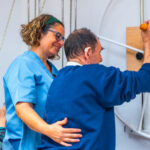
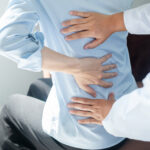
Physical Medicine and Rehabilitation, as a medical specialty, aims to restore motor function, reduce pain, and improve quality of life following trauma, surgery, or chronic illness. At Elytis Hospital Iași, patients benefit from personalized recovery programs tailored to each type of condition.
Consultations and Evaluations in Physical Medicine and Rehabilitation at Elytis Hospital Iași
At Elytis Hospital Iași, physical medicine and rehabilitation consultations include a functional assessment of the patient, identification of movement limitations, and the development of a personalized treatment plan. The approach is multidisciplinary and aims to restore functional independence as fully as possible.
What is Physical Medicine and Rehabilitation?
Physical Medicine and Rehabilitation is the medical specialty that deals with the prevention, diagnosis, and treatment of functional disabilities caused by disease, trauma, or surgery. It uses physical therapies, exercises, and rehabilitation techniques to restore mobility and reduce pain.
The Role of the Physician in Physical Medicine and Rehabilitation
The rehabilitation physician is responsible for assessing the patient's functional ability and coordinating recovery programs in collaboration with the multidisciplinary team.
His responsibilities include:
- assessment of motor and functional deficits;
- developing a personalized recovery plan;
- monitoring progress during therapy;
- recommendation of physical therapy procedures;
- prevention of complications associated with immobilization;
- coordinating the physical therapy team.
Conditions Treated by the Department of Physical Medicine and Rehabilitation at Elytis Hospital in Iași
Post-Traumatic Orthopedic Conditions
Recovery from fractures, sprains, or joint injuries is essential for regaining mobility and preventing joint stiffness.
Postoperative Recovery
Patients who have undergone orthopedic or abdominal surgery benefit from rehabilitation programs designed to restore function and reduce pain.
Spinal Pain
Spinal conditions, such as low back pain or neck pain, are often treated with rehabilitation programs that include exercises and physical therapy.
Stroke
Post-stroke rehabilitation is essential for the recovery of a patient’s motor functions and independence; it is a complex and lengthy process.
Rheumatic Diseases
Rheumatic diseases can limit mobility and cause chronic pain, and rehabilitation helps maintain joint function.
Services Available at Elytis Hospital in Iași
Physical Medicine and Rehabilitation Consultations
Physical medicine and rehabilitation consultations are the first step in developing a personalized recovery plan. The physician evaluates the patient’s medical history, degree of functional impairment, and treatment goals, and recommends tailored solutions to alleviate symptoms, increase mobility, and improve quality of life.
Physical Therapy
Physical therapy uses individualized therapeutic exercise programs designed to restore mobility, build muscle strength, and improve balance and coordination. This type of therapy is recommended for recovery from injuries, surgeries, neurological conditions, or musculoskeletal disorders, and helps patients regain independence in their daily activities.
Physical Therapy
Physical therapy complements rehabilitation programs through the use of modern procedures such as electrotherapy, ultrasound, laser therapy, or other techniques recommended based on the patient’s condition. These methods aim to reduce pain and inflammation, stimulate natural healing processes, and support functional recovery in a noninvasive manner.
Post-Stroke Recovery
Post-stroke rehabilitation programs are tailored to each patient’s needs and aim to restore motor functions, improve balance, coordination, and mobility, and increase independence. Early intervention and continuity of therapy play an important role in the recovery process and reintegration into daily activities.
Orthopedic Rehabilitation
Orthopedic rehabilitation is designed for patients who have suffered injuries, fractures, or undergone surgery involving the musculoskeletal system. Treatment programs are tailored to the type of condition and the stage of recovery, with the goal of reducing pain, restoring mobility, and safely resuming daily activities.
Treatment for Chronic Pain
Chronic pain can significantly affect daily activities and quality of life, which is why the treatment approach must be tailored to each patient. Rehabilitation programs may include physical therapy, occupational therapy, and other methods recommended by a doctor, with the goal of reducing pain, increasing mobility, and improving long-term function.
When is a consultation with a physical medicine and rehabilitation specialist recommended?
After trauma or surgery
A consultation is recommended after fractures, sprains, or surgeries to speed up recovery and prevent functional complications.
For musculoskeletal pain
Patients with back or joint pain undergo an evaluation to determine an appropriate rehabilitation program.
After neurological events
After a stroke or other neurological conditions, rehabilitation is essential for regaining lost functions.
To Prevent Disability
Rehabilitation may also be recommended as a preventive measure to maintain mobility and prevent functional decline.
Related Medical Specialties
Orthopedics and Traumatology
Orthopedics works closely with physical therapy to help patients recover from fractures and surgeries.
Neurology
Neurology plays a role in the recovery of patients who have suffered a stroke or other neurological conditions.
Rheumatology
Rheumatology contributes to the management of inflammatory and degenerative joint diseases.
Cardiology
Cardiology may recommend rehabilitation programs for patients with cardiovascular conditions.
Frequently Asked Questions About Physical Medicine and Rehabilitation
When should medical rehabilitation begin?
Medical rehabilitation should begin as soon as possible after the patient's condition has stabilized, as it helps prevent complications and speeds up the healing process.
Is medical recovery painful?
In general, medical recovery is not painful, although some exercises may cause mild discomfort at first, which subsides as treatment progresses.
How long does a medical rehabilitation program last?
The duration of recovery in medical rehabilitation programs depends on the condition and its severity, ranging from a few weeks to a few months.
Is medical recovery necessary after any surgery?
Not always, but in many cases, medical rehabilitation is essential for a full recovery of function and for preventing stiffness or loss of mobility.
Is physical therapy sufficient for medical recovery?
Often, as part of a comprehensive rehabilitation program, physical therapy is combined with other physical therapies to achieve optimal results, depending on the patient’s diagnosis and goals.